Water Line Repair & Replacement
Fix or renew the supply pipe running from the street meter to your home's main shutoff.
A sharp bang or shudder after a washing machine stops or a faucet shuts is water hammer. It is a pressure wave, and over time it can loosen fittings and stress joints.
By the Tempe Express Plumbing team ·
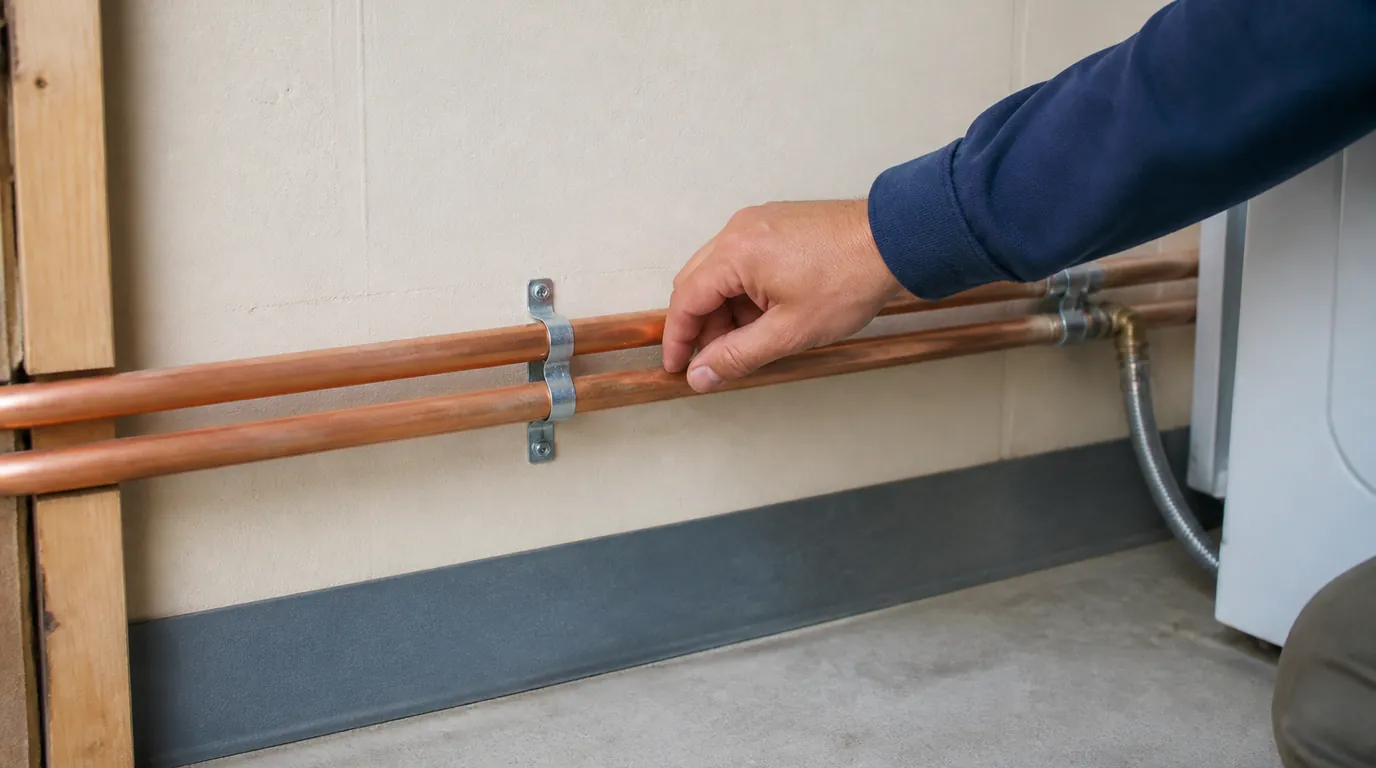
Moving water carries momentum. When a valve snaps shut, the flow slams into it and a shock wave travels back through the pipe, heard as a bang or rattle.
A single bang now and then is not alarming. A repeating one, especially after appliances stop, deserves attention.
Clothes washers, dishwashers and fast-closing faucets set it off most often. Single-lever faucets shut quickly, and appliance solenoid valves shut even faster.
Note which fixture or appliance causes the bang. It helps a plumber focus.
Excess pressure amplifies the shock. Screw a gauge onto an outdoor spigot to check, and a reading far above normal points to a failing regulator.
Replacing or adjusting the regulator reduces the hammer and protects fixtures. See water line repair for related pressure issues.
Older houses used short capped vertical pipes as cushions. They gradually fill with water and stop working, and draining the system can restore the air.
To try it, close the main, open the highest and lowest taps, let the lines empty, shut the taps and then reopen the main slowly.
Most hammer has one clear cause.
| Cause | Clue | Fix |
|---|---|---|
| Excess pressure | Gauge reading is high | Adjust or replace the regulator |
| Flooded air chamber | Bang persists after a drain-down | Restore the air in the chamber |
| Unsecured pipes | Knocking in attic or wall | Add straps |
| Fast-closing valve | Thud as the washer stops filling | Fit an arrestor |
Pipes that are not strapped can slam against framing when the shock hits. The bang may come from the pipe moving, not the valve closing.
A plumber can add straps or cushions. Check exposed runs in the attic or garage.
An arrestor is a compact device with a sealed air chamber that soaks up the shock. It mounts close to the offending appliance, such as the washer.
Arrestors are inexpensive, and they are a standard fix. Ask the plumber to size them correctly.
Repeated hammering can loosen joints and stress fixtures. A leak that appears after years of banging may trace back to it.
If you hear it, address it before it becomes a burst pipe call.
Call if the hammer is loud, recurring or comes with leaks. Share the fixture that triggers it and any pressure reading you took.
A plumber can check pressure, secure the pipes and add arrestors in one visit.
Walk the house and operate each faucet, hose bib and appliance one at a time, listening for the bang. Note whether it happens as the valve closes or as it opens. A bang on closing points to a quick-shutoff valve, while a rattle that continues for a few seconds suggests loose pipes that swing in their straps.
Try the same tap with the hot side and the cold side. If only one side hammers, the problem sits on that supply branch. Write down which fixtures are involved so the plumber can start in the right place.
Make sure the main valve is fully open. A partly closed valve restricts flow, speeds up the water and makes hammer worse. Also check that nothing is touching the pipes where they pass through framing, since a pipe that rubs against wood or metal will knock even without a pressure surge.
If the noise started after plumbing work, the contractor may have removed an air chamber or left a strap loose. A call back is reasonable, and the original installer may fix it at no charge, depending on the terms of the job.
Occasional hammer is more annoying than harmful, but repeated shocks stress joints, loosen fittings and wear out valve seats. Appliance supply hoses can fail earlier when they absorb repeated pressure spikes. A leak at a washing machine hose is a common outcome, and it can do real damage if no one is home.
A pressure regulator that no longer works is worth replacing before it fails entirely. If you suspect that, the water line page explains how the supply side is checked, and a contractor can read the pressure at your hose bib.
The right solution depends on the cause, so avoid buying parts before you know what is wrong. Start with a pressure reading. If it is high, a new regulator may solve the problem for the whole house. If it is normal, focus on the fixture that bangs, and consider arrestors at that appliance.
If the pipes themselves move, strapping them is a low-cost fix, though it may require opening a wall or ceiling. A plumber can add padding where pipes pass through framing and secure long runs at the right intervals.
Older homes may need more than one change. A house can have a high-pressure problem and missing air chambers, and fixing only one leaves part of the noise in place. Ask the contractor to explain the plan and to test each fixture afterward.
Write down the date, the fixtures involved and what was done. If the bang returns months later, that record helps the next visit start from facts, not guesses.
Washing machines and dishwashers are frequent causes. Look at the supply hoses for kinks and make sure the valves behind the machine open fully. An arrestor on the washer supply costs little and is easy to add. Ice makers and automatic faucets can also trigger a bang, so test each one on its own.
If the noise started after you replaced an appliance, mention that to the plumber. The new valve may close faster than the old one did.
It strains pipes and fittings over time. One bang is minor, but repeated hammering deserves a fix.
Its valve closes fast. An arrestor near the machine absorbs the shock.
Yes. A failing regulator makes it worse.
Draining the air chambers and strapping loose pipes are simple tries. Pressure and arrestors need a plumber.
Fix or renew the supply pipe running from the street meter to your home's main shutoff.
Shut off the flow, then swap out the cracked or split section of pipe.
Swap aging supply piping throughout the house when patches keep failing.
One weak faucet and a weak house have different explanations. Check them in this order before booking a visit.
Each material has a place in Valley homes. Compare them on cost, durability, sunlight exposure and repair options.
A puddle beneath the heater might be a loose fitting or a rusted-through tank. Learn how to tell them apart.
Phone the dispatcher and say which fixture sets it off, and a local contractor will be arranged.
Service area centered on Tempe and nearby Maricopa County cities.