Sewer Camera Inspection
Watch live video from inside the sewer pipe when deciding on a fix, a listing or a purchase.
A sewer odor means gas from the drain system is escaping into the living space. The source is usually a dry trap, a cracked seal or a problem in the line itself.
By the Tempe Express Plumbing team ·
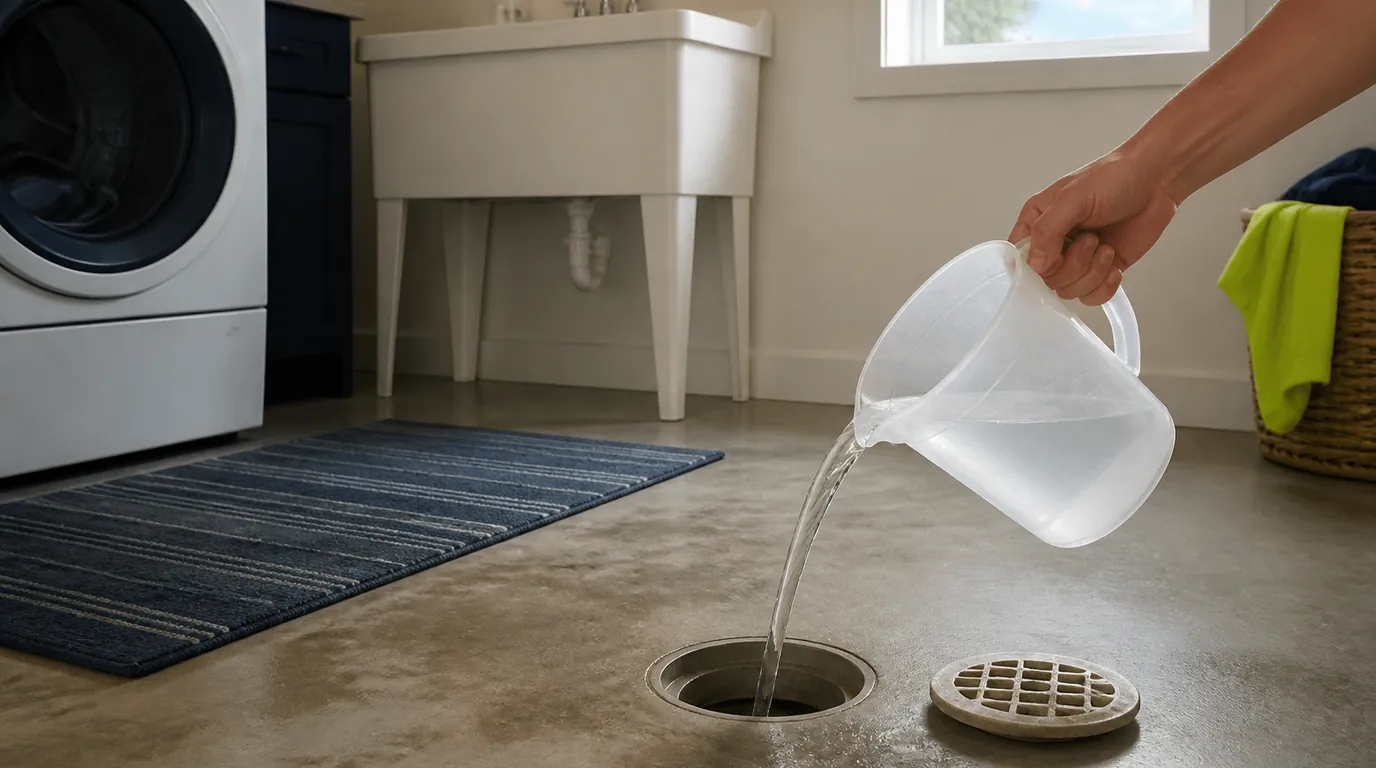
Walk through the house and note where the odor peaks. A bathroom suggests that room's drain, toilet seal or trap. The garage, laundry or a floor drain suggests a trap that has dried out.
If the smell is outdoors, near a cleanout or a vent, the issue may be on the line. Notes on location help the plumber.
Each drain has a curved trap that holds a plug of water to keep gas out. In seldom-used fixtures that water evaporates, and in the dry Valley air it can vanish within weeks.
Send a quart of water down each unused drain, then add a spoonful of cooking oil on top to slow evaporation.
A toilet with a spent wax ring or loose mounting can let gas escape even when no water appears. If it rocks, suspect the seal. Resetting the toilet on a new ring fixes it.
See toilet repair for what the work involves.
Drain vents rise through the roof to let air in. A blocked vent can cause gurgling and odors. Birds' nests and debris are common blockages.
A plumber can clear a vent. Never climb onto a roof in summer heat without proper safety.
Location is the best clue.
| Where | Likely cause | Try first |
|---|---|---|
| Rarely used bathroom or floor drain | Dry trap | Pour in water and a little oil |
| Around the toilet base | Failed wax ring | Check for rocking |
| Several drains plus gurgling | Partial main line blockage | Stop using water, call |
| Outdoors near a cleanout | Cracked line or loose cap | Camera inspection |
A broken line under the house or the yard lets gas, and eventually sewage, escape. The smell may be strongest after rain or heavy water use.
A camera inspection finds the break. Read about sewer camera inspection and sewer line repair.
A partial blockage holds waste in the line. That waste smells, and it can push gas back through traps. Slow drains and gurgles come with it.
Clearing the line helps. Drain cleaning opens the pipe, and a camera shows why it clogged.
A water heater anode rod can give hot water a sulfur smell. Mold in a damp wall or under a sink can smell musty rather than sewer-like.
If only the hot water smells, the cause is likely the heater and not the drain.
Sewer gas contains hydrogen sulfide and methane. Faint odors are mostly a nuisance, but a strong smell with headaches or nausea means get fresh air and call promptly.
Never ignore a persistent odor. If you smell natural gas, which smells different, leave the house first.
An odor that appears only when a certain fixture drains often points to the trap or the vent for that fixture. One that rises after rain may suggest a vent problem, a loose cleanout cap outdoors or water pressing gas back into the house. A smell that shows up at night, when the house is quiet and air movement is low, can mean a dry trap in a rarely used room.
Write down when the smell appears, which room it is strongest in and whether any appliance was running. Patterns narrow the cause faster than a single sniff test.
Check around the house before you assume the problem is inside. A loose or missing cleanout cap, a broken vent pipe on the roof, or a sewer lateral that is leaking into the soil can all send odor toward windows and the air intake. The odor may be strongest near a bathroom wall that shares a pipe run with the leak.
Do not open a cleanout cap that is under pressure or full of water. If sewage is rising in the cleanout, the line is blocked and the next step is a call, not a DIY fix.
When the source is not obvious, a contractor can check the drain system in stages. A camera inspection travels through the line and shows cracks, offsets and root growth. A smoke test pushes harmless smoke into the system and reveals leaks where the smoke escapes. Both are non-invasive and give a clear map of the problem.
Ask for the footage or a written note of what was found. If the finding is a damaged section, the sewer line repair page explains the choices from a short spot fix to a longer replacement. If the camera shows a clean line, the cause is probably a trap, a seal or a vent.
Share the pattern you noticed when you call. Mention which rooms smell, whether it changes with weather or water use, and what you already tried. A contractor who knows you refilled the traps and checked the toilet seals can skip those steps and move to the camera or the vents.
Ask about the order of tests. A sensible sequence moves from the simplest, such as traps and seals, to the more involved, such as camera work or smoke testing. Ask for the findings in writing so you can compare options and keep a record.
Open a window and run a bathroom fan to move air. Keep the floor drains wet. Avoid air fresheners that only cover the smell, since they hide the clue you need. If the odor is strong and you feel unwell, leave the room and call for help.
Often a dry trap, a worn toilet seal or a vent issue. Try filling the floor drain and sink with water first.
In strong concentrations it can be. Ventilate the house and call a plumber if the smell persists.
Yes. Gas escapes before waste backs up. A camera inspection finds the break.
It can point to a cracked line or a loose joint where water enters. Mention the timing when you call.
Watch live video from inside the sewer pipe when deciding on a fix, a listing or a purchase.
Unblock sinks, tubs, washer standpipes and the main drain, and find out what keeps bringing the clog back.
Repair a sewer pipe that has cracked, filled with roots or sagged, whether the fix is a patch or a longer stretch.
Fine roots enter hairline cracks and thicken into a plug. See the warning signs, the clearing options and ways to slow regrowth.
Fuzzy little flies hovering over a sink usually breed in the drain itself. Confirm it with tape, then clean the film they live in.
When the handle does nothing or the bowl barely moves, a short list of causes explains it. Start with the free checks.
Call the 24/7 line and describe where it is strongest. A dispatcher lines up a local contractor.
Service area centered on Tempe and nearby Maricopa County cities.