Gas Line Installation & Repair
Add or mend gas pipe feeding a stove, dryer, barbecue or fire pit.
New plumbing happens in stages: rough-in before the walls close, then finish work after. Getting the layout right early avoids costly changes.
Tell the dispatcher about your project, and a contractor is lined up.
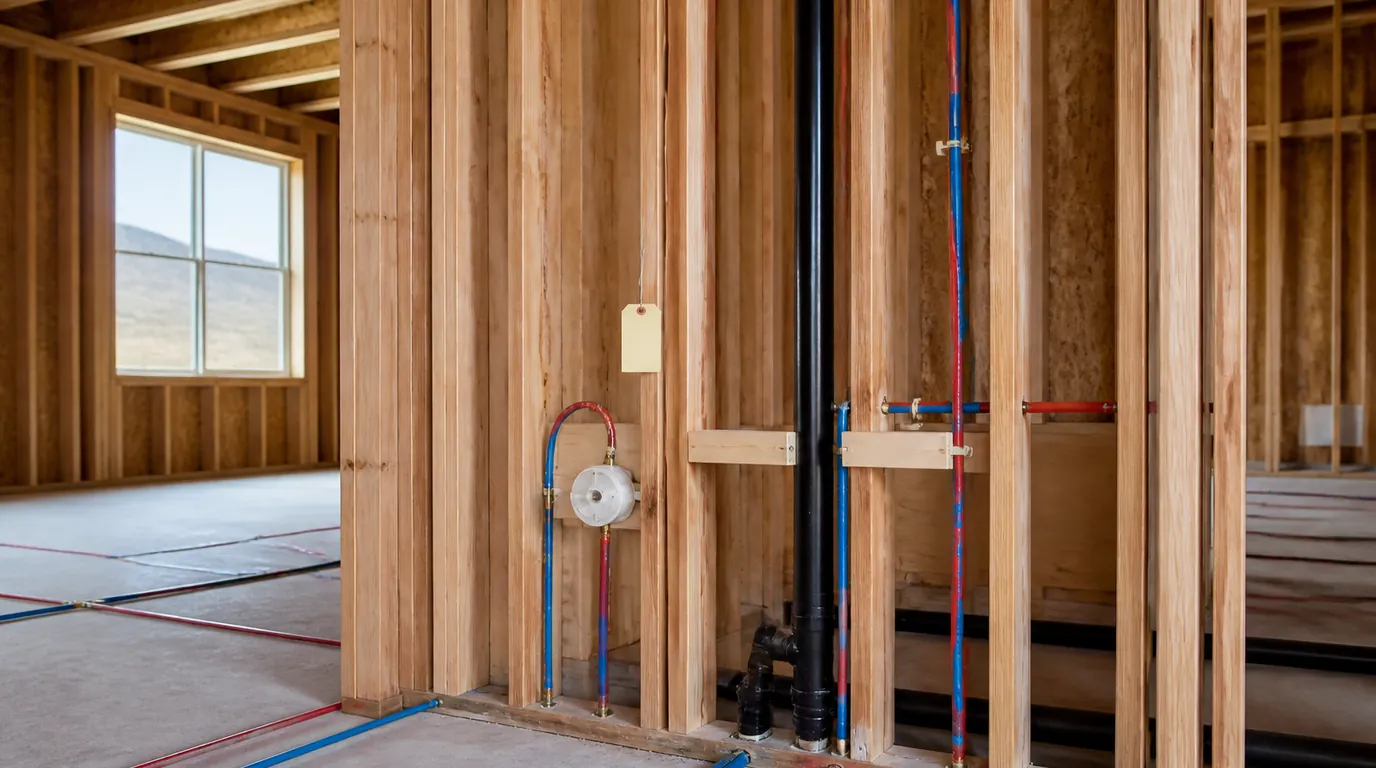
Share plans early. Fixture locations drive pipe runs, venting and slab penetrations. Changing a drain after the slab is poured is expensive.
Ask for a fixture schedule and a walk-through before the walls close.
Plumbing is inspected at stages, including before concrete or drywall covers it. The contractor schedules them with the building department.
Do not close the walls until the inspector signs off.
Tempe is largely built out, so many projects are remodels, additions or infill. Those mean tie-ins to existing lines and careful coordination with neighbors.
Ask the city's building department which permits your project needs.
Cost follows size and complexity.
Ask for a fixture-by-fixture quote so you can compare bids.
An addition ties into existing lines. The plumber checks pressure, drain capacity and venting. In older homes, old pipe near the tie-in may need replacement.
If a remodel moves a bathroom or kitchen, plan for drain slope and access.
A plumber installs sinks, toilets, showers, water heaters and appliance hookups. Property managers also call to reconnect a sink after a counter replacement. Say what is being installed and whether the supply and drain are already roughed in.
If you are unsure what a project needs, ask for a consultation call. The dispatcher can explain what questions the contractor will ask and which permits may apply.
New plumbing is checked at set points. The first inspection happens after the rough-in, when pipes are in the walls and floor but still open. Water lines are pressure tested, and drain and vent lines are checked for slope and connections. Only after approval can walls be closed.
A final inspection comes after fixtures are set. Missing a step can delay the schedule, so the plumbing contractor should coordinate dates with the builder. Ask who requests each inspection and how the results are shared with you.
Once drywall is up, adding a line gets expensive. Decide early on the location of every sink, the number of hose bibs, a gas stub for an outdoor kitchen, a line for a future bathroom and any rough-in for a water softener or filter.
Think about access. A shutoff valve for each bathroom, a cleanout in an easy spot and an access panel behind a tub valve will save time and money later. Ask the contractor to mark these on the plans.
If you are working with a builder, ask which plumbing contractor they use and whether you can see a written scope. Check the contractor's license through the Arizona Registrar of Contractors, and ask about the warranty on workmanship.
Keep copies of the permit, the inspection records and the fixture manuals. They help with later repairs, resale and any dispute over a defect. If you are building on your own, say so when you call so the dispatcher can match the right contractor.
Add or mend gas pipe feeding a stove, dryer, barbecue or fire pit.
Swap aging supply piping throughout the house when patches keep failing.
Replace a shower pan, tub or valve and set the drain rough-in at the right height.
Before the slab or framing. Early input saves change orders.
Ask on the call. Many contractors work with builders or directly with owners.
The first stage, when pipes are installed in open walls and under floors before they are closed.
Usually the plumbing contractor. Confirm in the quote.
The line is answered all day and night. Planned rough-in is booked around the builder, while a burst pipe on a job site can be reported right away.
Pricing depends on the fixtures, access and permits. The dispatcher gives a clear quote before work begins.
Yes. Give the sink type and the countertop timing.
Share the plans on the call. Rough-in is priced by fixture count and layout.
Figures and statements on this page that come from outside references are listed here.
Call the 24/7 line and describe the project. A dispatcher lines up a local contractor.
Service area centered on Tempe and nearby Maricopa County cities.