Toilet Repair & Installation
Fix a toilet that keeps running, weeps around the base or clogs, or install a different one.
A bidet seat is one of the simpler upgrades a plumber can do, while a standalone bidet needs real piping. Either way, a tidy install keeps the water supply safe and the floor dry.
Tell the dispatcher which type you want, and a contractor is lined up.
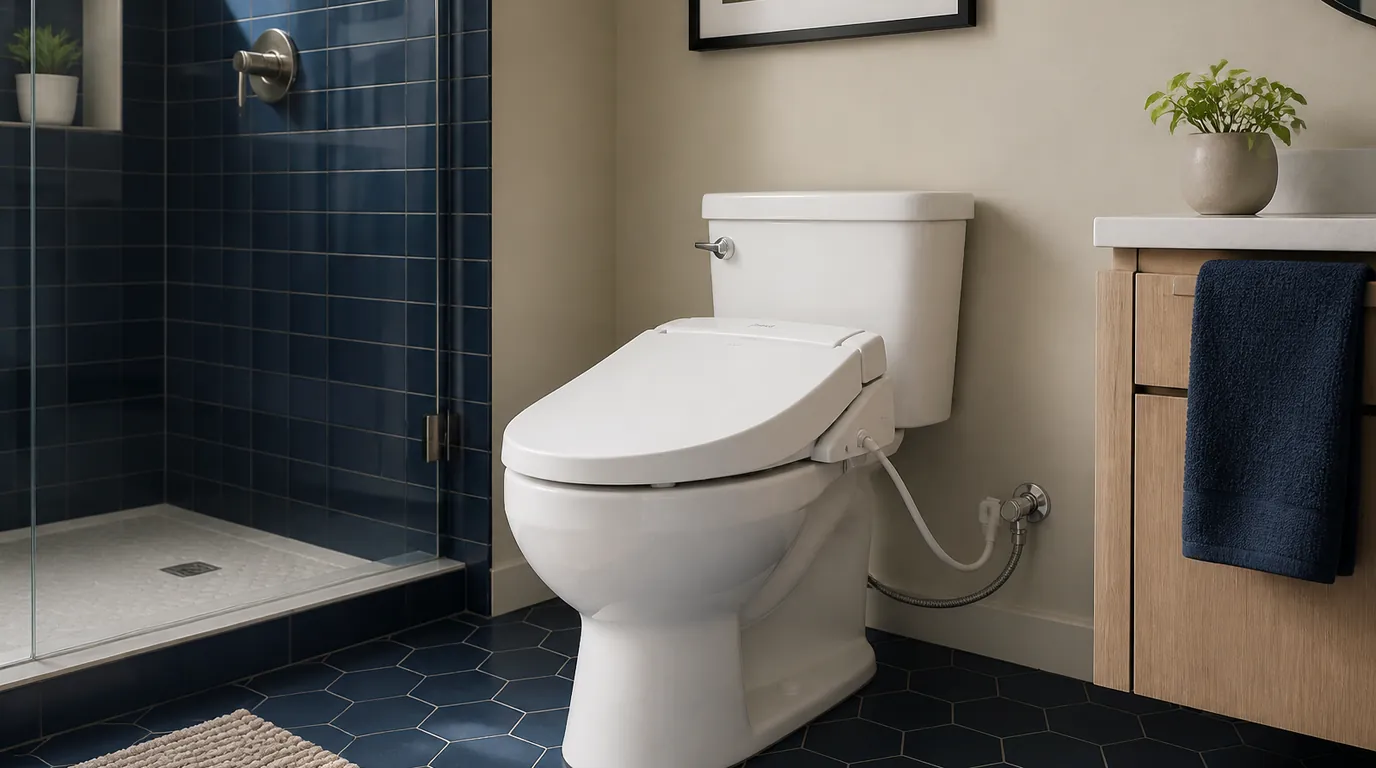
A seat mounts under the toilet lid and taps the cold supply with a T-fitting. Electric models also need an outlet within reach of the cord.
The plumber checks the shutoff valve and supply line first. An old or leaking valve is worth replacing before the seat goes on.
A freestanding bidet needs hot and cold supply, a drain and a vent, much like a sink. That usually means opening a wall or floor, so planning matters.
The fixture sits beside the toilet, so check clearances. Ask the contractor about spacing before you buy.
Many Tempe residents rent. Ask the owner before drilling or altering plumbing. A bolt-on seat can often be reversed when you move out.
In condos, shared walls and risers can limit what you can change. Check the association's rules.
Cost depends on the type and the existing plumbing.
Ask whether the unit is included or supplied by you.
A bidet connects to potable water and sits near a drain. Some models need a vacuum breaker or an air gap so wastewater cannot flow back into the supply.
Check that the product you choose meets plumbing code for your area.
Branded seats with wands, dryers and lids can fail at the spray valve, the cord or the hose. Give the maker and the model, and the contractor can bring parts. Some units need factory service, so ask before you pay.
A bidet seat needs two things near the toilet: a cold water supply and an electrical outlet if the model has heated water or a warm seat. A standalone bidet needs hot and cold supply lines, a drain and room to sit comfortably, usually at least a foot of clearance on each side.
Check the toilet before you buy. Seats are made for round or elongated bowls, and the mounting bolts must line up. Measure the bowl and take a photo of the supply valve so the contractor can bring a tee fitting that fits.
A bidet connects to the drinking water supply, so it must have protection against backflow. Seats typically include a built-in check valve, and a standalone fixture needs an air gap or a vacuum breaker. This is one of the details a contractor checks, and it is the reason a bidet is not a casual swap.
Electrical bidet seats need a grounded outlet, ideally one protected by a ground-fault circuit interrupter, since water and power sit close together. If the bathroom has no outlet near the toilet, an electrician must add one. The plumber can tell you before the visit whether that extra work is likely.
Test the seat for leaks at the tee and the hose connection, and check the shutoff valve works. Run the unit through its cycles, and wipe the connections dry so a drip is easy to see. Keep the manual for settings and the filter or nozzle care.
In a rental, ask the landlord before you change a fixture. Many owners will allow a seat that can be removed without damage when the tenant moves out.
Fix a toilet that keeps running, weeps around the base or clogs, or install a different one.
Replace a shower pan, tub or valve and set the drain rough-in at the right height.
Stop a faucet drip, bring back full flow, free a frozen shutoff or fix a leaking outdoor bib.
Ask on the call. Many contractors will install one you supply.
Only for electric models with heating or a dryer. Basic seats need none.
Usually not. Ask the installer how it mounts.
If it is old or leaks, replace it first. The plumber checks it on the visit.
Yes. Close the small supply valve behind the toilet, then call the line. New installs are booked for the day.
Pricing depends on the type and the existing plumbing. The dispatcher gives a clear quote before work begins.
Often. Give the brand and the fault. Some repairs need factory parts.
Same-day visits are available. Ask for the arrival window.
Call the 24/7 line and describe what you want. A dispatcher lines up a local contractor.
Service area centered on Tempe and nearby Maricopa County cities.